
Types of Companies in Vietnam: Which Structure Is Right?


There are four main types of companies in Vietnam under the Law on Enterprises: Limited Liability Company, Joint Stock Company, Partnership Company and Private Enterprise. A Limited Liability Company can have one member or between two and 50 members.
Each structure has different rules for ownership, liability, management and capital raising. Understanding these differences helps local entrepreneurs and foreign investors choose a structure that matches their business plan.

What Types of Companies Are Available in Vietnam?
Vietnam recognizes four core enterprise structures. Since a Limited Liability Company has two forms, business owners usually compare five registration options:
- Single-member Limited Liability Company.
- Multi-member Limited Liability Company.
- Joint Stock Company.
- Partnership Company.
- Private Enterprise.
These business structures are governed mainly by the Law on Enterprises 2020 and its amendments. The latest relevant amendment is Law No. 76/2025/QH15, effective from July 1, 2025.
What Are the Main Types of Companies in Vietnam?
The main types of companies in Vietnam differ in the number of owners, legal liability, management structure and ability to raise capital. The right choice depends on how the business will operate and grow.
Limited Liability Company in Vietnam
A Limited Liability Company, commonly called an LLC, has a separate legal identity from its owners. Members are generally responsible for debts and financial obligations within their committed capital contributions.
An LLC cannot issue shares. However, it may raise capital through additional contributions, new members, loans or bonds where permitted by law.

Single-member Limited Liability Company
A Single-member LLC is owned by one individual or organization. It gives the owner control over the company while limiting personal financial risk.
Its main characteristics include:
- One individual or organization acts as the owner.
- The company has legal personality from its registration date.
- The owner is liable within the committed charter capital.
- The company cannot issue shares, except during conversion into a JSC.
- The management structure is relatively simple.
- The owner may transfer part or all of the company’s capital.
Multi-member Limited Liability Company
A Multi-member LLC has between two and 50 members. Members may be individuals, organizations or a combination of both.
Its main characteristics include:
- The company has between two and 50 members.
- Each member is liable within their committed capital contribution.
- The company has a separate legal identity.
- Capital transfers are subject to legal and internal conditions.
- Existing members normally receive priority when capital is transferred.
- The company cannot issue shares.
Joint Stock Company in Vietnam
A Joint Stock Company, or JSC, divides its charter capital into equal portions called shares. It requires at least three shareholders, with no maximum limit on the number of shareholders.
Cần tư vấn không gian làm việc?
Chia sẻ nhu cầu, Replus sẽ đề xuất phương án phù hợp.
Thông tin liên hệ

The main features of a JSC include:
- At least three shareholders are required.
- Shareholders may be individuals or organizations.
- Shareholders have liability limited to their share contributions.
- Shares can generally be transferred more easily than LLC capital.
- The company can issue shares, bonds and other securities.
- Its management and reporting requirements are more complex.
Partnership Company in Vietnam
A Partnership Company must have at least two general partners who jointly own and operate the business. Its structure depends heavily on the personal reputation, expertise and trust of those partners.
Key characteristics include:
- At least two general partners are required.
- General partners must be individuals.
- General partners have unlimited and joint liability.
- Contributing members may also join the company.
- Contributing members have liability limited to their capital.
- The company cannot issue securities.
Private Enterprise in Vietnam
A Private Enterprise is owned by one individual. It is the closest Vietnamese legal structure to a sole proprietorship, although “Private Enterprise” is the official term commonly used in English legal documents.
Its main characteristics include:
- One individual owns and controls the business.
- The enterprise does not have separate legal personality.
- The owner has unlimited liability.
- The enterprise cannot issue securities.
- One person may establish only one Private Enterprise.
- The owner has full authority over business decisions.
Are Foreign-Owned Companies, Branches and Representative Offices Separate Company Types?
No. These terms describe ownership or forms of commercial presence rather than separate types of companies in Vietnam.
A foreign investor normally establishes a company using an available legal structure, such as an LLC or JSC. The company is then classified as foreign-invested based on its ownership.
| Form | Legal nature | Separate legal entity | Permitted activities |
| Foreign-Owned Enterprise | Partly or fully owned by foreign investors | Yes, when established as an LLC or JSC | Business activities stated in its licenses |
| Joint Venture | Owned by Vietnamese and foreign investors | Yes, when established as an LLC or JSC | Licensed business activities |
| Branch Office | Dependent unit of a foreign parent company | No | Activities covered by its branch license |
| Representative Office | Liaison office of a foreign parent company | No | Market research, liaison and promotion |
| State-Owned Enterprise | Enterprise with qualifying state ownership | Yes | Business activities stated in its registration |
How Do Types of Companies in Vietnam Compare?
The following table compares the main business structures in Vietnam based on ownership, liability, fundraising and management.
Cần tư vấn không gian làm việc?
Chia sẻ nhu cầu, Replus sẽ đề xuất phương án phù hợp.
Thông tin liên hệ
| Criteria | Single-member LLC | Multi-member LLC | JSC | Partnership | Private Enterprise |
| Number of owners | 1 | 2–50 | At least 3 | At least 2 general partners | 1 individual |
| Legal personality | Yes | Yes | Yes | Yes | No |
| Owner liability | Limited | Limited | Limited | Mixed | Unlimited |
| Issue shares | No | No | Yes | No | No |
| Capital transfer | Controlled | Restricted | More flexible | Restricted | Not applicable |
| Management | Simple | Moderate | More complex | Partner-led | Owner-controlled |
| Suitable for | Solo owners | SMEs and partner groups | Fundraising and expansion | Professional services | Small owner-managed businesses |
Which Type of Company Should You Choose in Vietnam?
The right choice depends on the number of owners, liability and fundraising plans.
- One owner: Choose a Single-member LLC.
- Two to 50 members: Choose a Multi-member LLC.
- Need to raise capital: Consider a JSC.
- Professional partnership: Consider a Partnership Company.
- Accept unlimited liability: Consider a Private Enterprise.

How Can Replus Support Company Formation in Vietnam?
Replus supports businesses throughout the company formation process, including:
- Selecting a suitable company structure.
- Preparing registration documents.
- Completing company formation procedures.
- Providing a lawful business address.
- Supporting post-registration requirements.
Businesses can learn more about Replus’s company formation service. Companies without a permanent office still need a lawful registered address. Replus provides virtual office solutions with business addresses and office support services.
Contact Replus for guidance on choosing and registering a company structure in Vietnam.[Hotline: 0932 678 626]
Câu hỏi thường gặp
Giải đáp những thắc mắc phổ biến về chủ đề này

Tư vấn và giải đáp thắc mắc
Đặt câu hỏi và nhận trả lời từ chuyên gia Replus
Cảm ơn bạn đã gửi câu hỏi!
Câu hỏi của bạn đã được gửi thành công và đang chờ kiểm duyệt. Chúng tôi sẽ hiển thị sau khi xác nhận.
Chưa có câu hỏi nào. Hãy là người đầu tiên đặt câu hỏi!
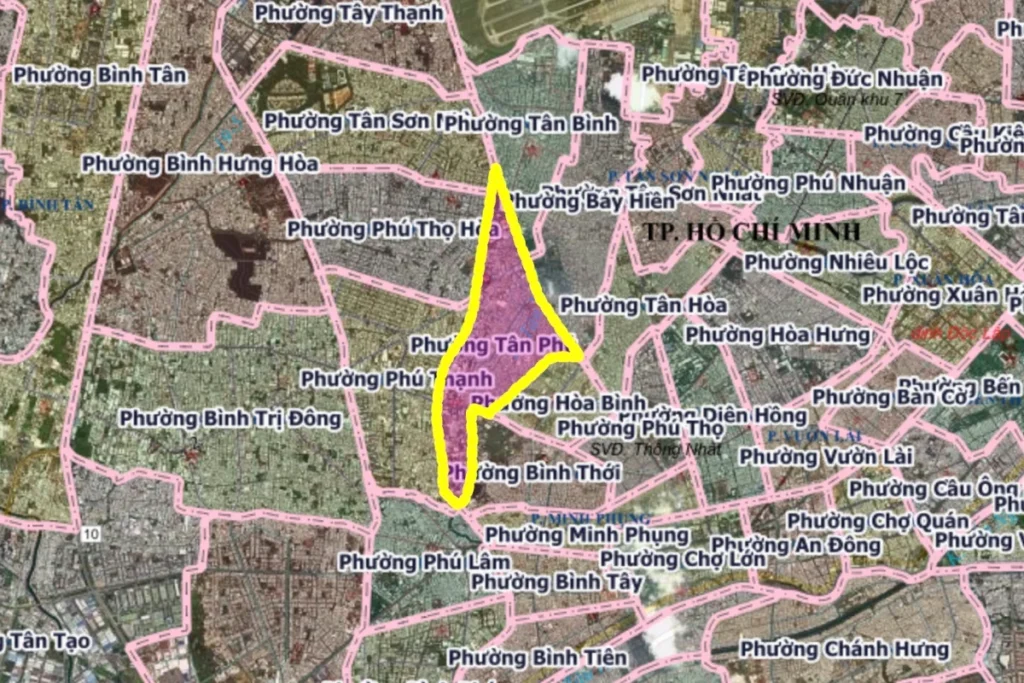
Phường Tân Phú sau sáp nhập: gồm phường cũ nào, UBND, công an phường và bản đồ
Phường Tân Phú (TP.HCM) được thành lập từ ngày 01/07/2025 theo khoản 65 Nghị quyết 1685/NQ-UBTVQH15.…
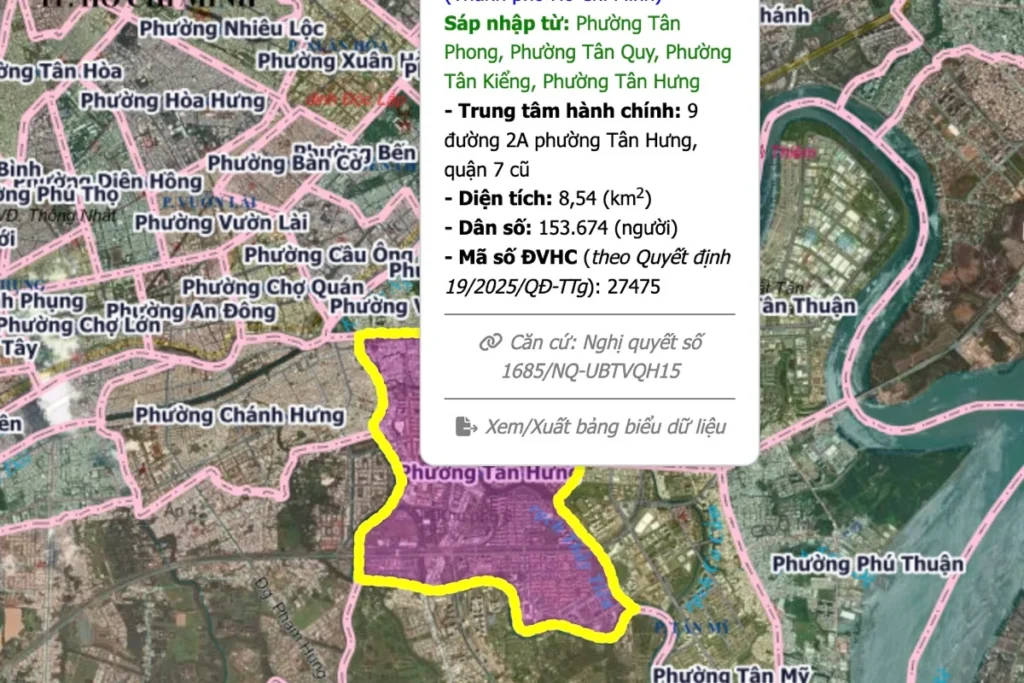
Phường Tân Hưng sau sáp nhập: gồm phường cũ nào, UBND, công an phường và bản đồ
Phường Tân Hưng (TP.HCM) được thành lập từ ngày 01/07/2025 bằng cách nhập toàn bộ 4…
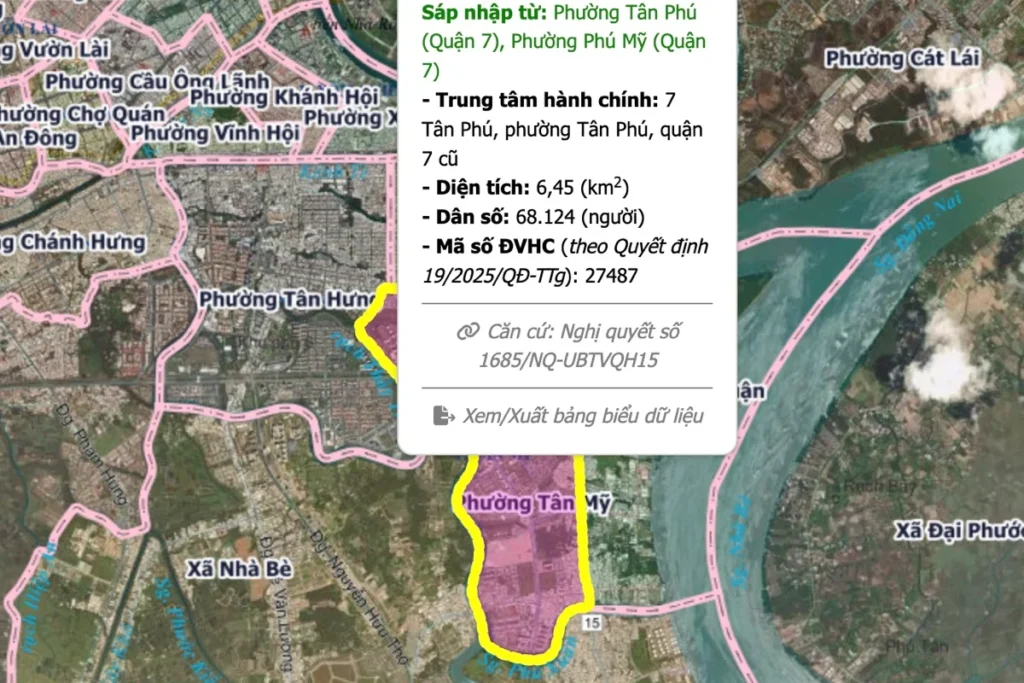
Quận 7 sau sáp nhập: gồm những phường mới nào, bản đồ và cách ghi địa chỉ
Quận 7 sau sáp nhập không còn là một đơn vị hành chính. Từ ngày 01/07/2025,…
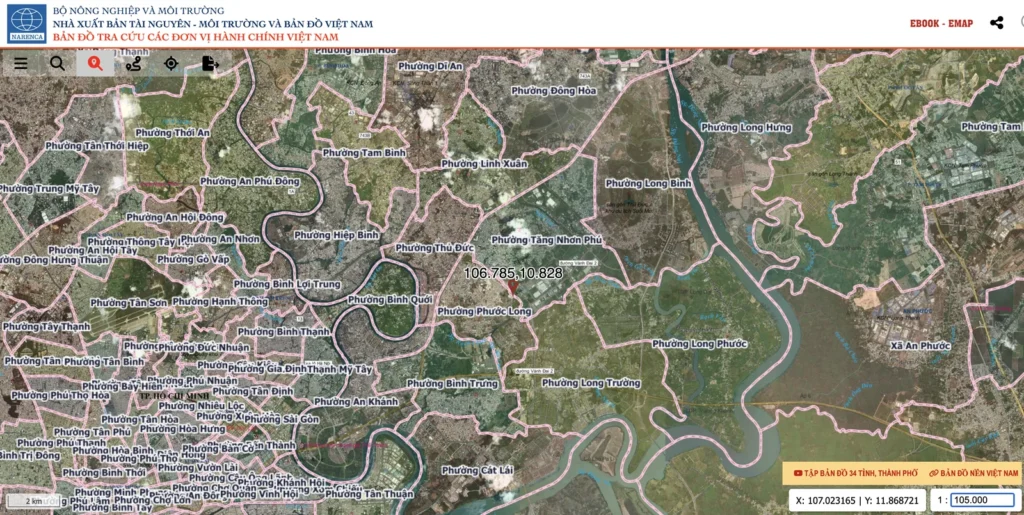
TP. Thủ Đức sau sáp nhập: gồm những phường mới nào, bản đồ và cách ghi địa chỉ
Thành phố Thủ Đức sau sáp nhập không còn là một đơn vị hành chính. Từ…
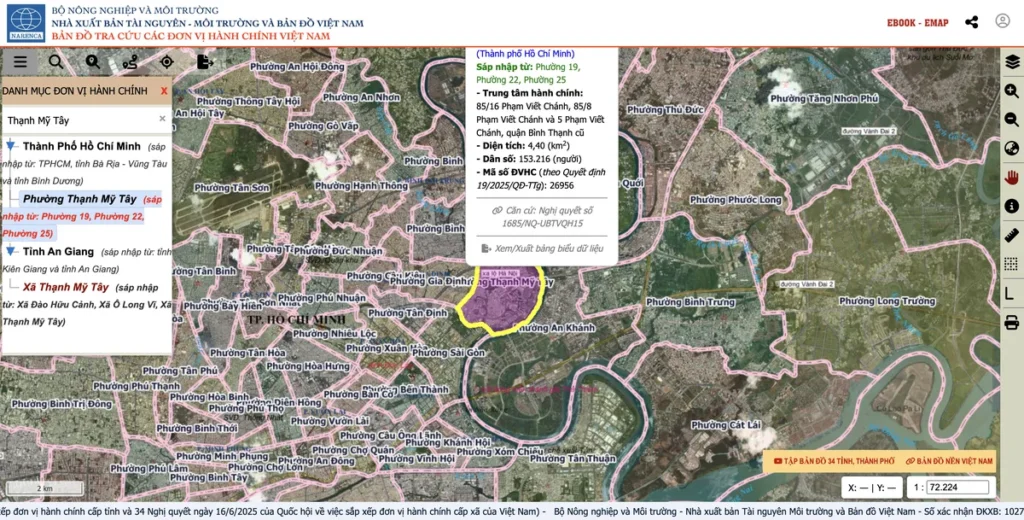
Quận Bình Thạnh sau sáp nhập: gồm những phường mới nào, bản đồ và cách ghi địa chỉ
Quận Bình Thạnh sau sáp nhập không còn là một đơn vị hành chính. Từ ngày…
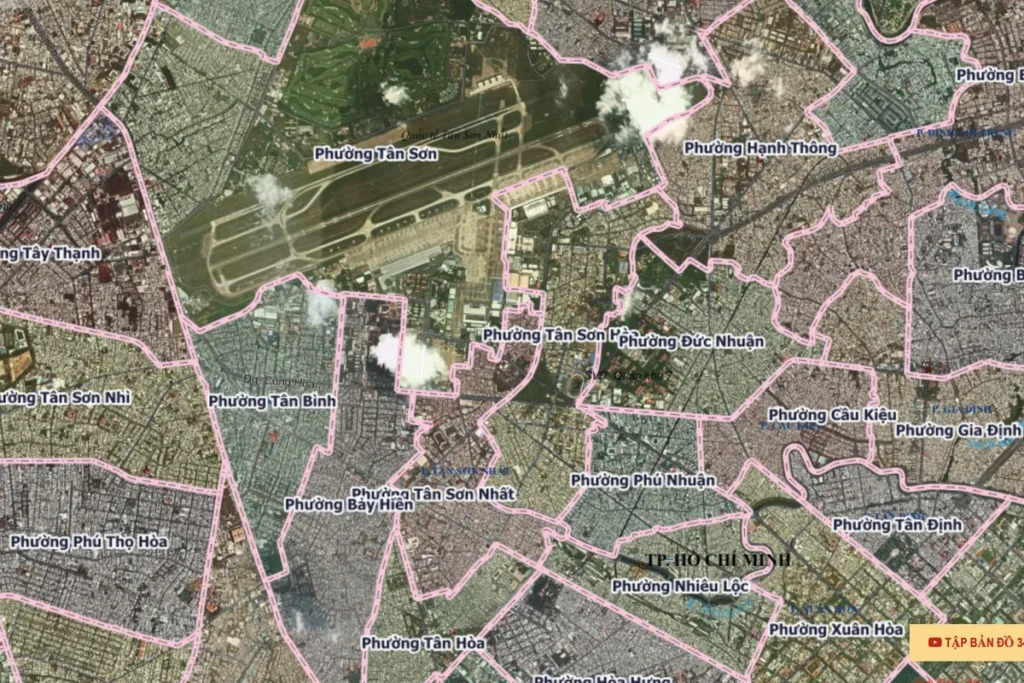
Quận Tân Bình sau sáp nhập: gồm những phường mới nào, bản đồ và cách ghi địa chỉ
Quận Tân Bình sau sáp nhập không còn là một đơn vị hành chính. Từ ngày…
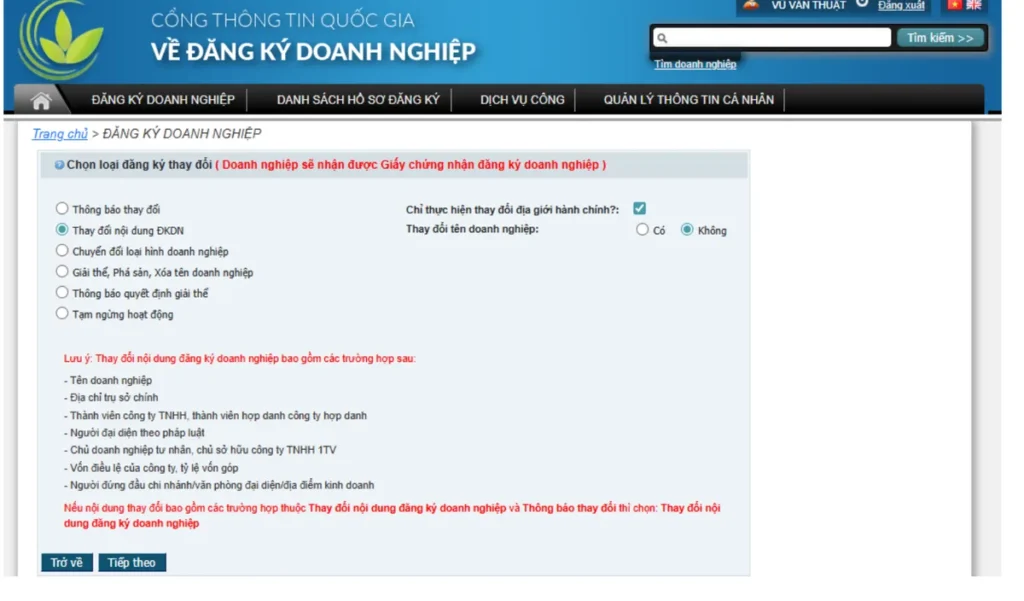
Doanh nghiệp có phải đổi địa chỉ sau sáp nhập? Thủ tục, chi phí và lưu ý hóa đơn
Doanh nghiệp không bắt buộc đổi địa chỉ sau sáp nhập nếu trụ sở vẫn ở…
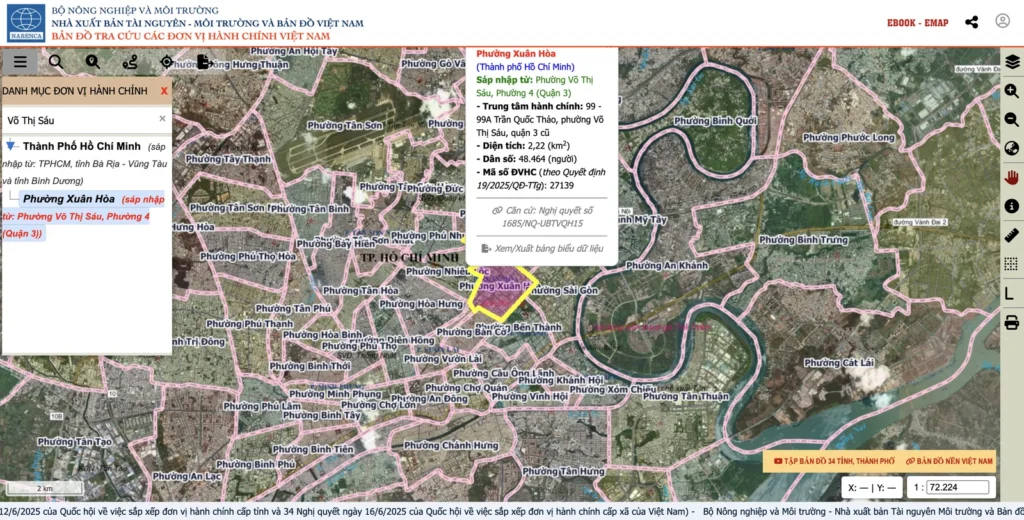
Tra cứu địa chỉ mới sau sáp nhập TP.HCM: phường cũ → phường mới, cách ghi trên giấy tờ
Tra cứu địa chỉ sau sáp nhập tại TP.HCM gồm hai việc: tìm phường, xã cũ…
