
Virtual Office vs Serviced Office in Vietnam: Which Is Right for Your FDI Stage?


When comparing a virtual office vs serviced office in Vietnam, choose the model that supports your next FDI milestone. A virtual office suits market testing, remote-first work and a lean launch. A serviced office is better for a fixed team, daily operations, private meetings or business lines that need physical premises. During incorporation, always check the address, provider documents and licensing conditions before signing.
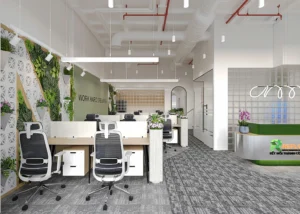
What Is the Difference Between a Virtual Office and a Serviced Office in Vietnam?
A virtual office gives a company a professional address and administrative support without a dedicated daily workspace. A serviced office provides a furnished private room for regular use. For an FDI company, the main difference is therefore business presence versus physical operations.
| Office element | Virtual office | Serviced office |
| Workspace | No dedicated room; desks or meeting rooms are booked when needed | Private, furnished room available for daily use |
| Common services | Address, mail handling, receptionist and meeting-room access | Furniture, internet, utilities, cleaning, receptionist and meeting rooms |
| Best team type | Remote, distributed or rarely on-site | Fixed team working on-site regularly |
| Main purpose | Maintain a professional business presence | Run daily operations from a physical office |
Foreign investors should also separate the registered office, investment project location and actual workplace. These locations may share one address, depending on the project, business line, lease documents and local registration practice.
Virtual Office vs Serviced Office in Vietnam: Quick Comparison
A virtual office offers lower commitment and greater flexibility. A serviced office costs more but gives the company private space, easier team management and a stronger physical presence.
| Decision factor | Virtual office | Serviced office |
| Daily workspace | No dedicated room | Included |
| Monthly cost | Lower base fee | Higher because physical space is included |
| IRC/ERC use | Reviewed case by case | Clearer physical evidence, but still needs review |
| Client meetings | Rooms booked when needed | Can be hosted regularly on-site |
| Privacy | Limited outside booked rooms | Better for calls, documents and meetings |
| Team management | Suitable for remote or hybrid teams | Suitable for employees working together daily |
| Flexibility | Easy to start with a small footprint | More commitment than a virtual office |
| Best FDI stage | Validation or low-footprint launch | Active operations, team growth or expansion |
| Main risk | Address documents may not suit the project | Paying for space before the team needs it |
Neither option guarantees approval for an IRC, ERC or sector-specific licence. A factory, warehouse, clinic, classroom or other specialised operation may require premises that an ordinary virtual or serviced office cannot provide.
Which Office Is Right for Each FDI Stage?
The right office can change as an FDI project develops. Start with the smallest model that meets the next operational and legal requirement, then upgrade when actual use becomes regular.

Stage 1: Pre-Entry and Market Validation
A virtual office is usually practical when the overseas company is researching demand, meeting partners or checking suppliers. It provides a local contact point, mail handling and meeting space without paying for an unused office. However, the package does not establish a Vietnamese legal entity or authorise local trading, invoicing or hiring.
Choose a virtual office when:
- The project is still testing demand.
- Most work is managed from overseas.
- Meeting rooms are only needed occasionally.
- The company wants to avoid a long lease.
Stage 2: Incorporation and Soft Launch
At this stage, compliance becomes more important than price. A virtual office may suit a low-footprint service project when its address, building use, lease chain and provider documents are acceptable. Choose a serviced office when the team will work on-site immediately or the business has premises-related conditions.
Before paying a deposit, confirm whether the exact address can support the proposed IRC and ERC applications. A general promise that an office is “suitable for registration” is not enough for every foreign-invested project.
Stage 3: Early Operations and Team Build-Out
There is no fixed headcount that automatically requires a serviced office. Consider upgrading when employees need desks several days a week, handle confidential information, store documents or meet clients frequently.
Cần tư vấn không gian làm việc?
Chia sẻ nhu cầu, Replus sẽ đề xuất phương án phù hợp.
Thông tin liên hệ
A hybrid setup may still work for a distributed team. The company can maintain its registered business presence and book private rooms when needed. Once on-site use becomes predictable, a serviced office is usually easier to manage and budget.
Stage 4: Scale-Up or Regulated Operations
A growing FDI company may need a larger serviced office, managed suite or traditional lease. Review hiring plans, IT security, storage needs and the cost of changing the registered address. If the company needs specialised facilities, choose premises approved for that activity.
| Operational signal | Recommended action |
| Team remains remote and rarely meets on-site | Continue with a virtual office |
| Meeting-room and desk use is increasing | Consider a hybrid package |
| Employees work on-site most days | Move to a serviced office |
| Business activity requires specialised premises | Find a compliant sector-specific location |
| Team needs a large customised space | Compare managed and traditional offices |
How to Set Up an FDI Company in Vietnam: Complete 2026 Guide
Can an FDI Company Use a Virtual Office for Registration in Vietnam in 2026?
Potentially, yes, but acceptance depends on the proposed address, supporting documents and registered business activities. Vietnamese law does not define a virtual office as a separate office type. Under the Enterprise Law, a company’s head office must be an identifiable contact address in Vietnam.
The current framework includes Investment Law No. 143/2025/QH15, the amended Enterprise Law and Decree No. 168/2025/NĐ-CP. Before signing, confirm the building use, lease or sublease rights, filing documents, company signage and mail-handling procedures.
Legal note: The suitability of an office address is reviewed case by case. No office provider can guarantee IRC, ERC or licence approval for every project.
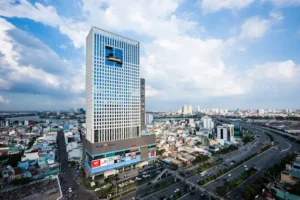
How Should FDI Companies Compare the Real Cost?
Compare total cost of use, not only the monthly fee. Replus virtual office packages currently start from VND 595,000 per month, excluding VAT. Serviced office prices vary by location, room size, contract term and included facilities.
| Cost area | Items to compare |
| Base fee | Address or private room, service charge and VAT |
| Regular use | Meeting rooms, desks, printing, parking and call handling |
| Setup | Deposit, signage, internet, access cards and filing documents |
| Compliance | Address review, registration support and industry checks |
| Future change | Moving, licence updates, tax, bank, invoices and contracts |
A low monthly fee may become expensive when the team frequently uses meeting rooms or changes address soon after incorporation. Ask each provider for written inclusions, usage limits, extra fees, notice periods and upgrade options.
Cần tư vấn không gian làm việc?
Chia sẻ nhu cầu, Replus sẽ đề xuất phương án phù hợp.
Thông tin liên hệ
What Should You Verify Before Signing an Office Agreement?
Do not choose a provider based only on its building name or advertised price. The office agreement should explain what the company can use, which documents are available and how the provider supports future changes.

Check the following points:
- Full address, unit number and permitted building use.
- Ownership documents and the valid lease or sublease chain.
- Suitability for the proposed business activities.
- Documents available for IRC, ERC, tax or inspections.
- Rules for signage, official mail and authority visits.
- Included workspace, meeting-room time and reception services.
- Deposits, extra charges, renewal terms and termination notice.
- Options for upgrading without changing the registered address.
Replus combines office solutions with support for foreign-invested company formation. Share the business line, target city, on-site work pattern and launch date so Replus can compare the workspace and address documents. Final approval remains with the competent authorities. [Hotline: 0932 678 626]
Choose the Office That Fits Your Next FDI Milestone
A virtual office supports a lean market entry, while a serviced office supports regular physical operations. At incorporation, check the address, documents and business-line requirements before deciding. Contact Replus with your target city, activities, team plan and launch date to compare suitable packages and arrange an office tour.
Câu hỏi thường gặp
Giải đáp những thắc mắc phổ biến về chủ đề này

Tư vấn và giải đáp thắc mắc
Đặt câu hỏi và nhận trả lời từ chuyên gia Replus
Cảm ơn bạn đã gửi câu hỏi!
Câu hỏi của bạn đã được gửi thành công và đang chờ kiểm duyệt. Chúng tôi sẽ hiển thị sau khi xác nhận.
Chưa có câu hỏi nào. Hãy là người đầu tiên đặt câu hỏi!
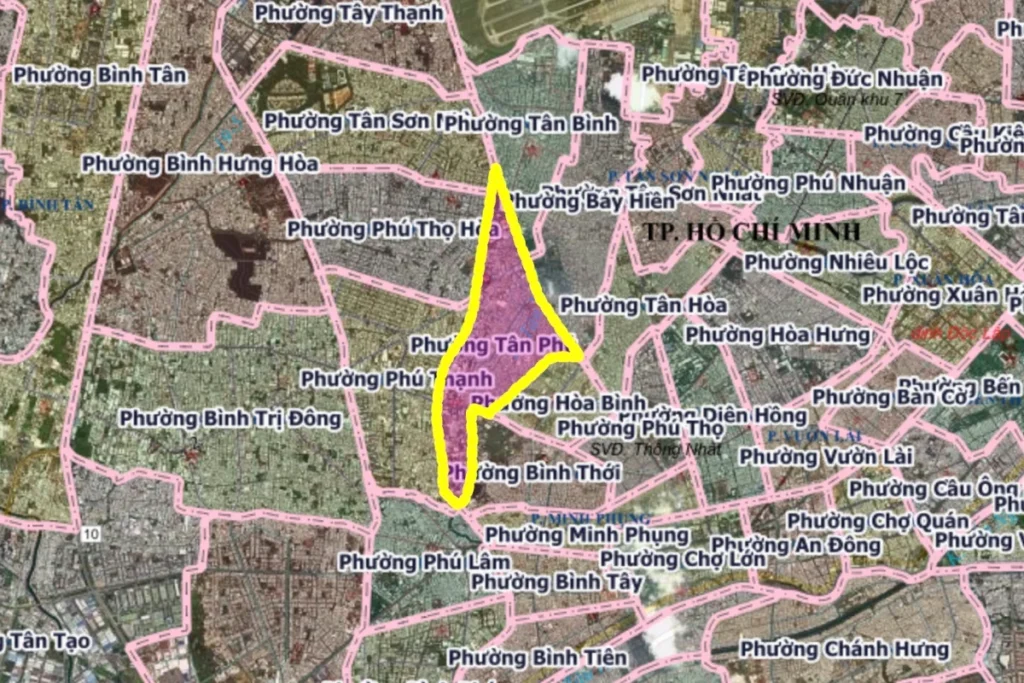
Phường Tân Phú sau sáp nhập: gồm phường cũ nào, UBND, công an phường và bản đồ
Phường Tân Phú (TP.HCM) được thành lập từ ngày 01/07/2025 theo khoản 65 Nghị quyết 1685/NQ-UBTVQH15.…
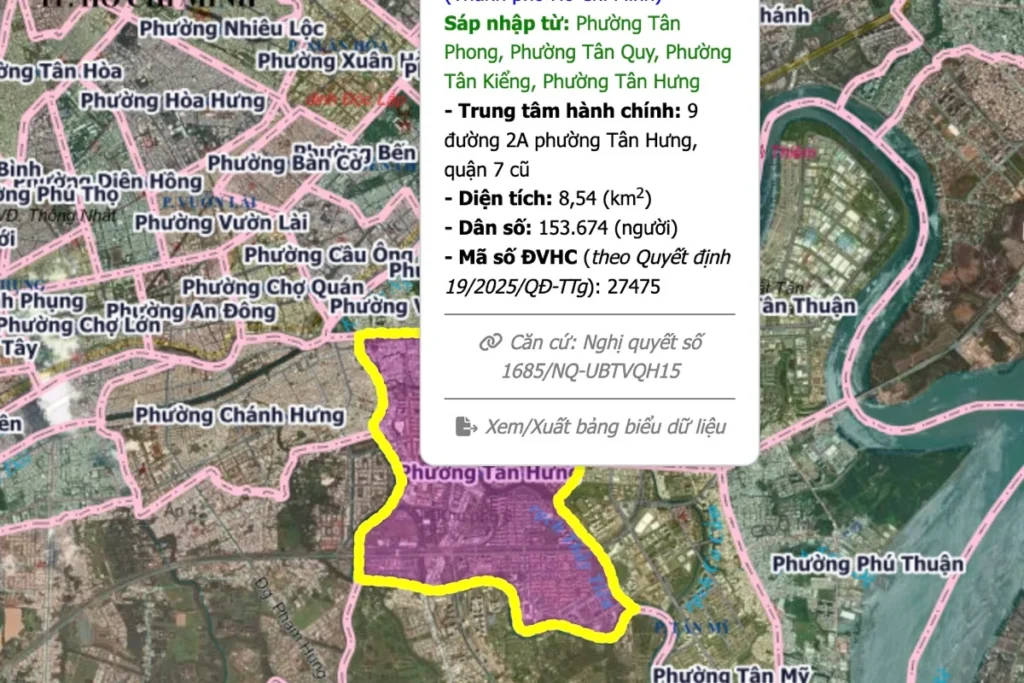
Phường Tân Hưng sau sáp nhập: gồm phường cũ nào, UBND, công an phường và bản đồ
Phường Tân Hưng (TP.HCM) được thành lập từ ngày 01/07/2025 bằng cách nhập toàn bộ 4…
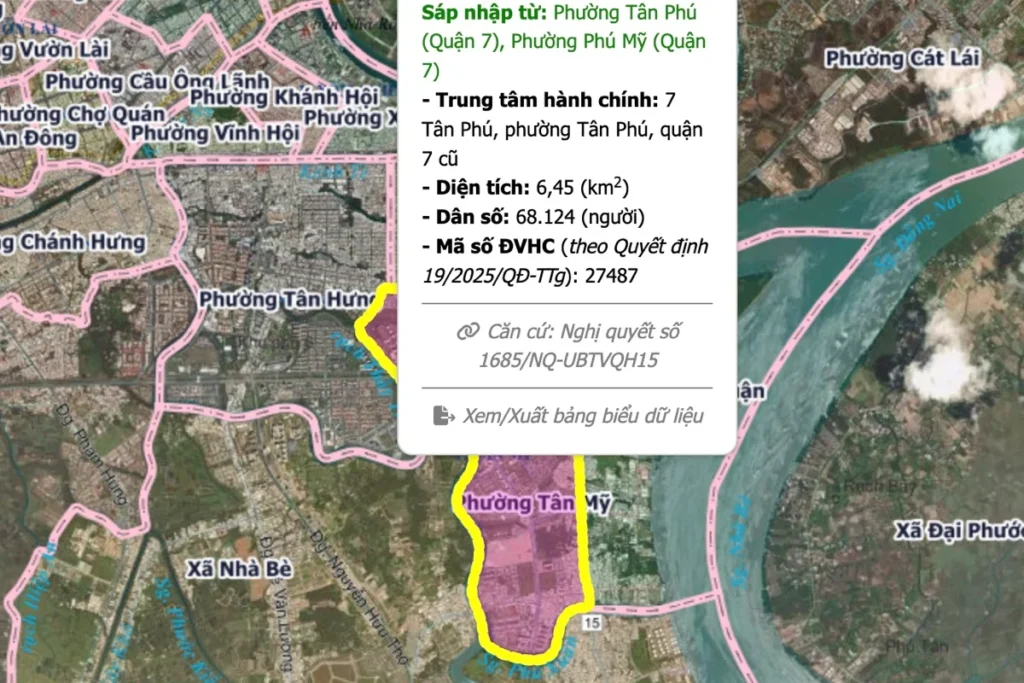
Quận 7 sau sáp nhập: gồm những phường mới nào, bản đồ và cách ghi địa chỉ
Quận 7 sau sáp nhập không còn là một đơn vị hành chính. Từ ngày 01/07/2025,…
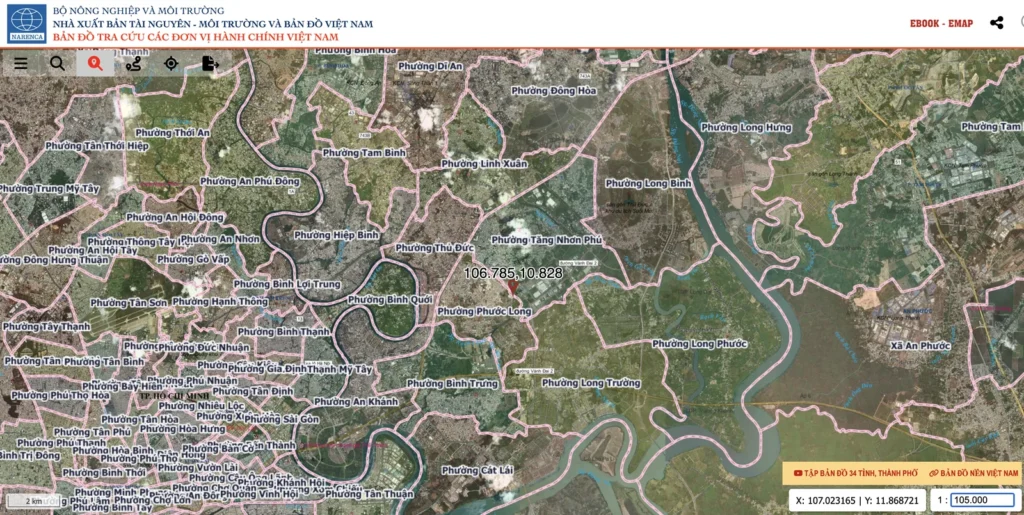
TP. Thủ Đức sau sáp nhập: gồm những phường mới nào, bản đồ và cách ghi địa chỉ
Thành phố Thủ Đức sau sáp nhập không còn là một đơn vị hành chính. Từ…
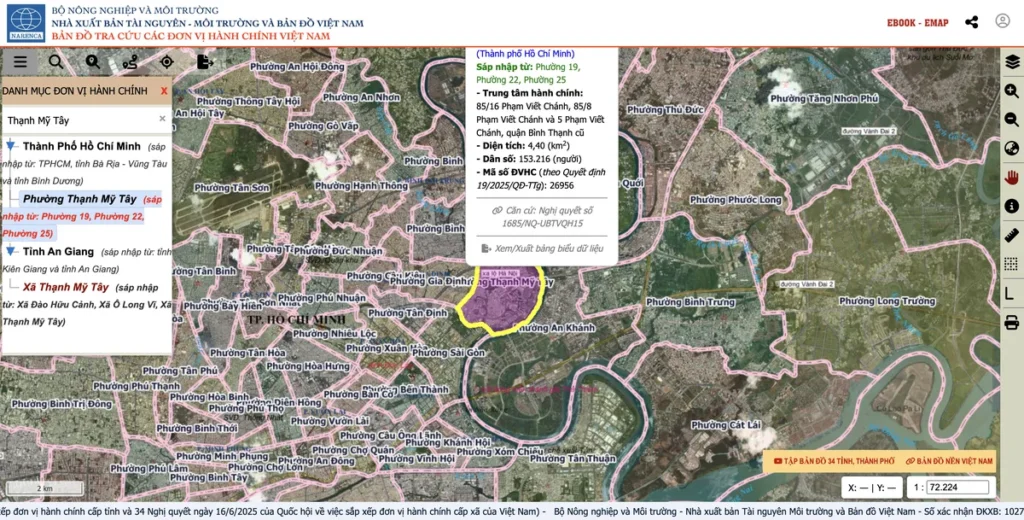
Quận Bình Thạnh sau sáp nhập: gồm những phường mới nào, bản đồ và cách ghi địa chỉ
Quận Bình Thạnh sau sáp nhập không còn là một đơn vị hành chính. Từ ngày…
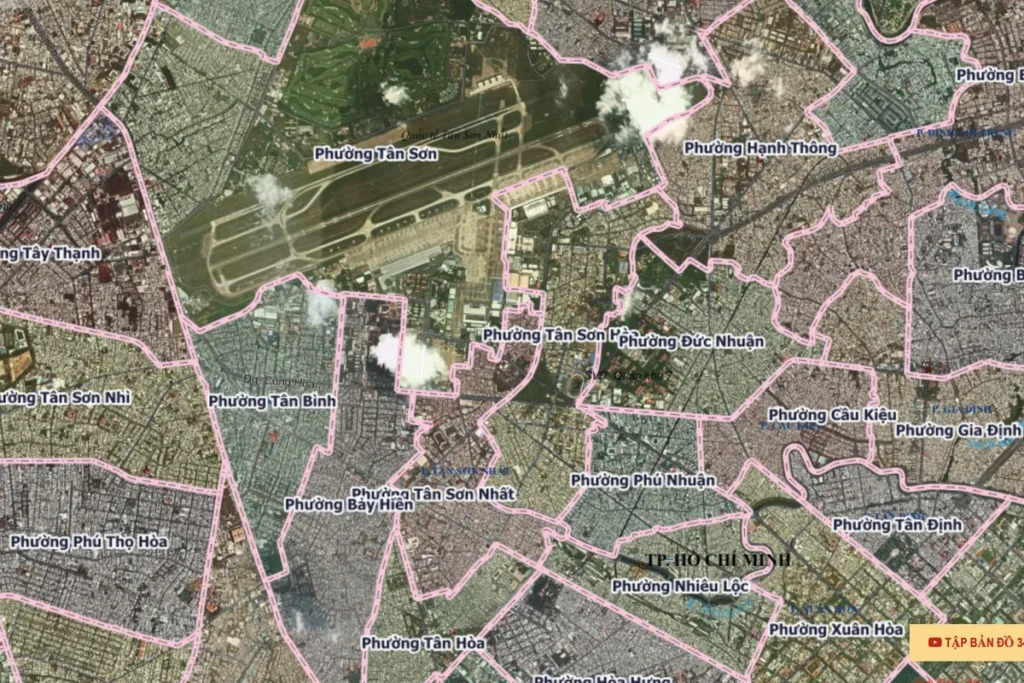
Quận Tân Bình sau sáp nhập: gồm những phường mới nào, bản đồ và cách ghi địa chỉ
Quận Tân Bình sau sáp nhập không còn là một đơn vị hành chính. Từ ngày…
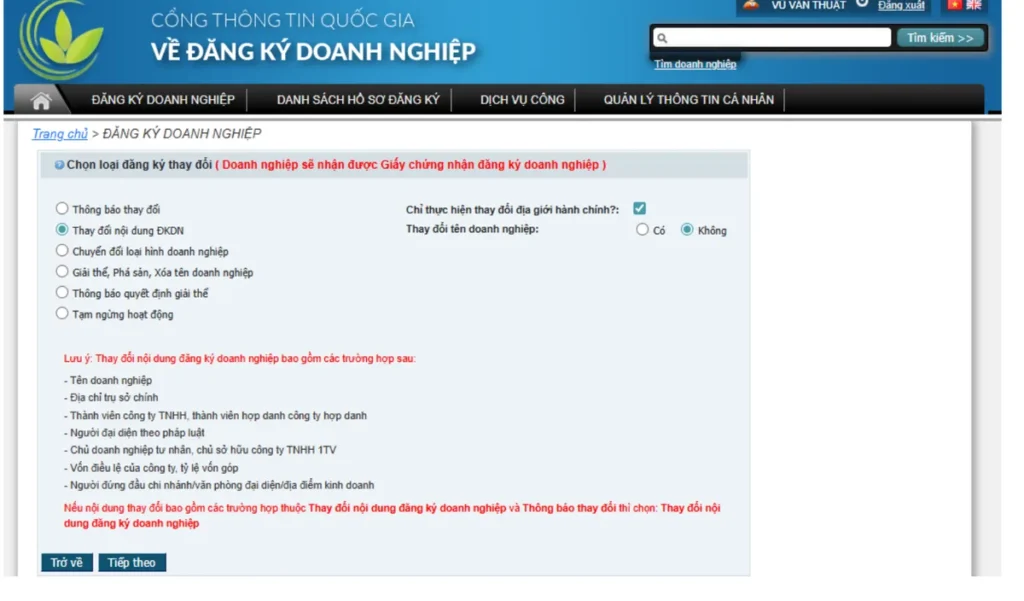
Doanh nghiệp có phải đổi địa chỉ sau sáp nhập? Thủ tục, chi phí và lưu ý hóa đơn
Doanh nghiệp không bắt buộc đổi địa chỉ sau sáp nhập nếu trụ sở vẫn ở…
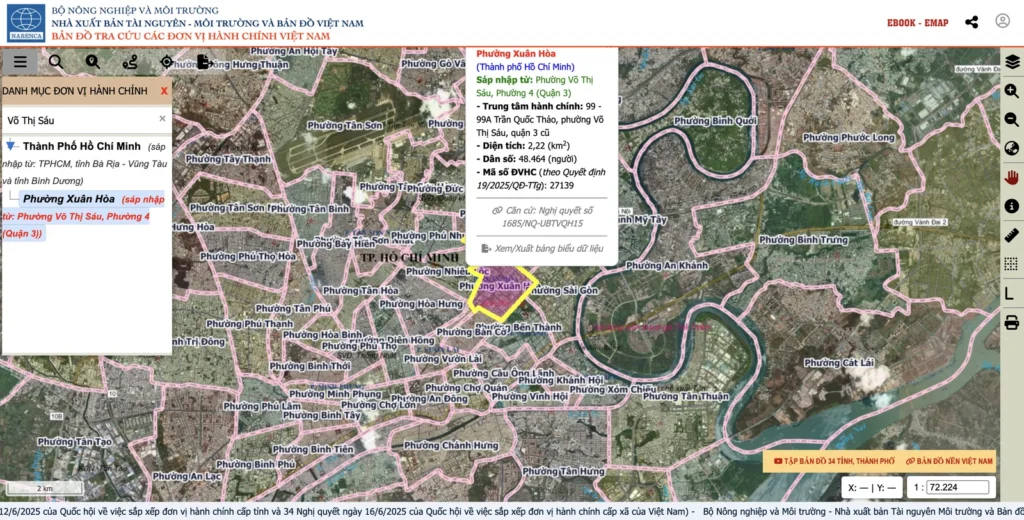
Tra cứu địa chỉ mới sau sáp nhập TP.HCM: phường cũ → phường mới, cách ghi trên giấy tờ
Tra cứu địa chỉ sau sáp nhập tại TP.HCM gồm hai việc: tìm phường, xã cũ…
